
Tire shopping is one of those tasks that should be simple, yet it rarely feels that way. You get hit with a wall of brands, ratings, rebates, and big promises that all sound like they were written for someone else’s commute. Even worse, the wrong tire can feel fine at first, then start getting noisy or wearing oddly a few months later.
You can spend less and still get the right tire if you know what to compare.
Start With Value, Not The Lowest Price
The cheapest tire on the rack is rarely the cheapest tire to own. If it wears out early, gets loud, or struggles in rain, you end up paying twice. Value is about tread life, traction, and how the tire fits your real driving, not just the number on the quote.
We see drivers overpay when they buy features they will never use, like ultra-high performance handling for a car that spends most of its time in traffic. The goal is matching the tire to the job so you are not paying for a label.
Match The Tire Type To How You Actually Drive
Tire type should follow your routes and weather, not a marketing name. If you do mostly city driving with occasional highway, a quality all-season tire is a practical fit. If you do lots of highway miles, a touring-style tire can make more sense because it tends to be quieter and longer-lasting.
Think about what you care about most day to day. Wet traction, road noise, tread life, and ride comfort often matter more to most drivers than cornering grip. If you only rarely see snow, you may not need an aggressive winter-focused setup, but you still want a tire that handles heavy rain confidently.
Use The Door Sticker As Your Tire Rulebook
Before you compare brands, confirm the correct size and load information. The driver door placard shows the factory size, load rating, and recommended pressure. That information matters because the wrong load rating can change ride and handling, and the wrong size can create rubbing or speedometer errors.
The sidewall on the tire also lists a speed rating. You do not need to chase a higher rating just because it sounds better. In many cases, matching the original rating keeps performance and wear balanced without adding cost.
Know Which Ratings Are Worth Paying For
A lot of tire shopping confusion comes from trying to compare ratings that are not apples to apples. The UTQG treadwear number can be useful, but it is not a universal guarantee across brands. Warranty mileage can help, but only if you rotate and maintain the tires as the warranty expects.
Instead of getting stuck on one number, focus on a few practical indicators. Look at wet traction performance, road noise feedback, and real-world tread life in reviews for your vehicle type. This is also where regular maintenance plays a role, because even the best tire will wear quickly if pressures are ignored or rotations are skipped.
Avoid Hidden Costs That Make A Good Deal Bad
Overpaying is not always about the tire price. It is often the extras and the shortcuts. A good tire installed poorly can still feel off, and it can wear unevenly fast.
When you compare quotes, make sure you are comparing the full package. Ask whether the price includes mounting, balancing, new valve stems if needed, disposal, and road hazard coverage. Also ask about alignment recommendations, because if your old tires wore unevenly, new tires will follow that pattern unless the root cause is corrected.
When An Alignment Check Is Worth It
If your steering wheel is off-center, the car pulls, or your old tires show inside-edge wear, plan on addressing alignment. Fresh tires on a drifting alignment can lose tread faster than you expect, and then you feel like you wasted money. One well-timed inspection can also catch worn suspension parts that prevent alignment from staying where it should.
If everything feels straight and your wear is even, you may not need alignment work immediately. The main point is not to ignore the clues your old tires are already showing you.
How To Shop Smart Without Paying For Hype
A smart buying approach is simple. Pick two or three tires that match your driving type, then compare them based on real priorities, not flashy claims. If you want a long tread life, compare touring and highway-focused tires. If you want better rain confidence, compare wet traction performance and tread design that channels water well.
It also helps to be realistic about mileage warranties. They are useful, but your driving habits and maintenance routine are what decide whether you reach that number. If you want the tire to last, keep the pressure correct and rotate on schedule.
Get Tire Buying Help In Multiple Locations In NJ, With State Tire & Auto Center
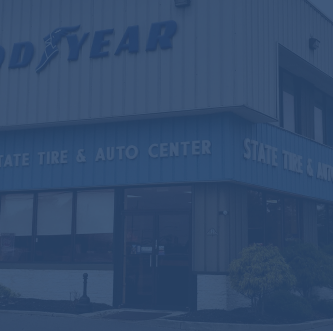
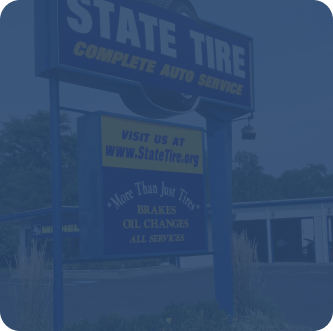
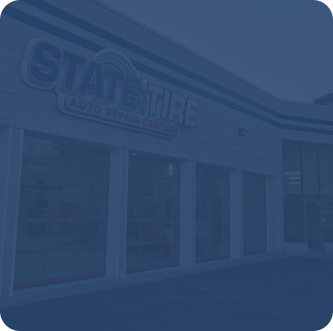
State Tire & Auto Center, with multiple locations in New Jersey, can help you choose tires that fit your driving, your budget, and the wear patterns your car is already showing.
Book a visit and leave with a tire plan you feel good about.
Tire Buying FAQ: 10 Quick Questions With Short Answers
Do I Need To Buy The Exact Same Tire Brand That Came On My Car?
Answer: No. Matching the correct size, load rating, and intended tire type matters more than matching the original brand.
Should I Replace Two Tires Or All Four?
Answer: Replacing in pairs on the same axle is highly recommended, but all-wheel drive vehicles need closer tread matching on all four tires to protect the drivetrain.
Are Cheap Tires Always A Bad Idea?
Answer: Not always, but some low-cost tires trade away wet traction and tread life. A slightly higher quality tire can cost less over time.
What Tire Feature Helps Most In Heavy Rain?
Answer: Strong wet traction performance and a tread pattern designed to evacuate water. Good tread depth also makes a big difference.
Can I Buy A Higher Speed Rating Than Stock?
Answer: You can, but it often costs more and may not benefit your driving.
Why Are My Tires Wearing Faster On The Inside Edge?
Answer: This pattern points to alignment drift or worn suspension components. New tires will wear the same way if the cause is not corrected.
Do I Really Need Road Tire Hazard Coverage?
Answer: If your area has rough roads or construction debris, it can be worth it. Tire protection plans give you peace of mind.
How Often Should Tires Be Rotated?
Answer: Every 5,000 to 7,500 miles or with every oil change. Rotations help keep wear even and extend tread life.
Is Buying Tires Online Cheaper?
Answer: Sometimes the tire price is lower, but installation, warranty handling, and support change the final cost. Compare the full out-the-door number.
What Is The Best Way To Avoid Overpaying?
Answer: Choose the correct tire type for your driving, compare full installed pricing, and avoid paying for performance features you will not use.